
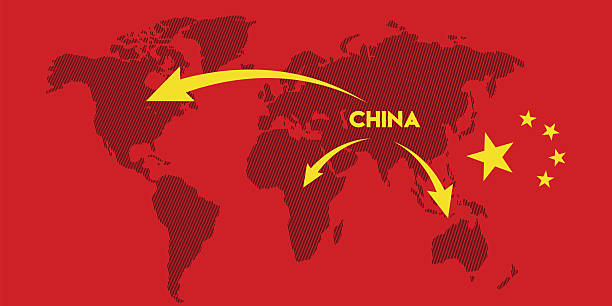
China Expands Trade with the Global South, reshaping trade and investment patterns worldwide. By focusing on developing nations, Beijing aims to diversify trade partners and reduce reliance on Western markets. This strategy reflects China’s growing influence in global commerce.
Surge in Trade and Investment
Recent data shows that China’s exports to Southeast Asia, Africa, and Latin America have outpaced growth with traditional Western partners. Countries like Indonesia, Malaysia, Vietnam, and Nigeria have received increased Chinese investment in manufacturing, energy, and infrastructure projects.
Experts note that China’s move helps strengthen regional supply chains for electric vehicle components, semiconductors, and critical minerals. These partnerships also provide emerging markets with capital and technical expertise, fueling economic growth.
Strategic Goals
China’s strategy goes beyond simple trade. By investing in infrastructure and industrial projects, the country aims to secure long-term partnerships. Analysts highlight that this approach supports China’s goals of technological advancement and global market influence.
The Global South benefits from increased employment, industrial growth, and enhanced trade capacity. Many nations welcome Chinese investment as a catalyst for rapid development, especially where local funding and expertise are limited.
Challenges and Criticism
Despite benefits, challenges persist. Critics argue that increased Chinese involvement may create geopolitical dependencies. Some countries worry that investment deals may limit national policy autonomy or favor Chinese firms over local businesses.
Analysts urge recipient nations to implement safeguards. They recommend transparent agreements, fair labor standards, and balanced governance to ensure that partnerships are mutually beneficial.
Global Implications
China’s pivot could reshape international trade patterns in the coming decade. Western economies may face competition in sectors previously dominated by Europe or the U.S. Meanwhile, emerging markets could experience rapid industrial growth but also new political complexities.
Economists also point out that these trends could influence global supply chains. Increased interdependence with China may affect pricing, resource allocation, and trade stability worldwide. For investors and policymakers, understanding this shift is critical for future economic planning and risk assessment.
Why This Matters
-
China strengthens its influence in emerging markets.
-
Developing nations gain capital, technology, and infrastructure support.
-
Geopolitical and economic dynamics shift as global trade patterns evolve.
Overall, China’s Global South strategy represents a major global trend with far-reaching consequences for trade, industry, and international relations. Countries and businesses must adapt to remain competitive and secure strategic opportunities.

