
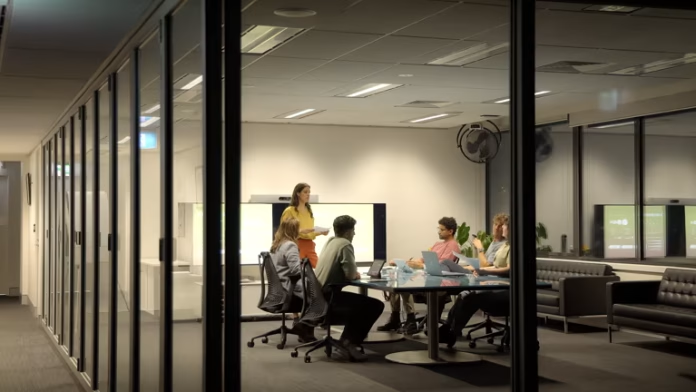
The way we work has changed dramatically over the last decade. Traditional offices with long-term leases, rigid layouts, and high overhead costs are no longer the default choice, especially for startups and small teams. As agility, cost efficiency, and collaboration become critical to success, coworking spaces have emerged as a practical and strategic solution. Across cities and industries, founders and growing teams are choosing coworking environments to build, scale, and innovate.
This shift is not just a trend. It reflects bigger changes in how businesses operate, hire, and grow.
The Need for Flexibility in Early-Stage Businesses
Startups and small teams operate in an environment of constant change. Team size fluctuates, funding cycles are uncertain, and business priorities evolve quickly. Traditional offices demand long-term commitments and fixed costs, which can become a burden if plans change.
Coworking spaces offer flexibility that aligns perfectly with this reality. Businesses can scale up or down easily by adding or reducing seats without worrying about penalties or unused space. Monthly or short-term plans allow teams to stay agile and redirect resources toward growth, product development, or marketing instead of being locked into real estate expenses.
This flexibility gives founders peace of mind and the freedom to focus on building their business.
Lower Costs Without Compromising Quality
For startups, every expense matters. Renting a private office involves costs beyond rent, including interiors, furniture, internet, utilities, maintenance, and security. These costs add up quickly and require upfront capital.
Coworking spaces eliminate most of these expenses by offering fully equipped workspaces at a predictable cost. High-speed internet, meeting rooms, power backup, housekeeping, and reception services are usually included in one transparent plan. This allows startups and small teams to enjoy professional infrastructure without stretching their budgets.
By reducing operational costs, coworking spaces help young businesses allocate funds where they matter most.
Access to Professional Infrastructure
First impressions matter, especially when meeting clients, investors, or partners. A professional workspace with modern meeting rooms and reliable technology enhances credibility and confidence.
Coworking spaces are designed to support productivity. Ergonomic seating, quiet zones, collaborative areas, meeting rooms, and presentation facilities create an environment where teams can work efficiently. Many coworking spaces also offer advanced features such as smart lighting, video conferencing setups, and innovation labs that support creative and technical work.
For small teams, access to this level of infrastructure would be difficult to achieve independently.
Built-In Community and Networking Opportunities
One of the biggest advantages of coworking spaces is the community. Unlike isolated offices, coworking environments bring together freelancers, startups, and growing companies from different industries under one roof.
This diversity creates organic networking opportunities. Conversations over coffee can lead to collaborations, partnerships, client referrals, or even hiring opportunities. Being surrounded by like-minded professionals fosters motivation and reduces the sense of isolation that many founders experience.
For startups, this community can become a valuable support system where ideas are exchanged, challenges are discussed, and growth is encouraged.
Improved Productivity and Work Culture
Working from home offers comfort but often comes with distractions and blurred boundaries between personal and professional life. Coworking spaces provide a structured environment that helps teams maintain focus and discipline.
A dedicated workspace encourages routine, accountability, and better time management. The presence of other professionals working toward their goals creates a productive atmosphere that inspires consistency and performance.
For small teams, coworking spaces also help establish a positive work culture early on, which plays a crucial role as the company grows.
Easier Hiring and Talent Attraction
Today’s workforce values flexibility, comfort, and meaningful work environments. Many professionals prefer working in modern coworking spaces over traditional offices because of the amenities, community, and energy they offer.
For startups, operating from a well-known coworking space can make hiring easier. It signals a progressive mindset and provides employees with a pleasant and engaging place to work. This can be a strong differentiator when competing with larger companies for talent.
Support for Hybrid and Remote Work Models
The rise of hybrid work has changed how teams operate. Many startups now work with distributed teams, part-time employees, or remote collaborators. Coworking spaces support this model by offering flexible access, meeting spaces, and collaboration zones when teams need to come together.
Instead of maintaining a full-time office that remains partially unused, startups can use coworking spaces as a central hub for meetings, brainstorming sessions, and team activities.
Opportunities for Learning and Growth
Many coworking spaces go beyond providing desks. They organize workshops, networking events, mentorship sessions, and industry meetups. These activities help founders and teams stay updated, learn new skills, and expand their professional networks.
For startups and small teams, this access to learning and exposure can accelerate growth and provide insights that might otherwise be difficult to access.
Scalability Without Disruption
As startups grow, they need space that grows with them. Moving offices frequently can disrupt workflows, affect morale, and consume valuable time.
Coworking spaces allow businesses to expand within the same ecosystem. Teams can move from hot desks to dedicated desks or private cabins without changing locations. This continuity supports smoother growth and stability.
A Smarter Way to Work
The move toward coworking spaces reflects a broader shift in how businesses think about work. It is no longer about owning space but about using space intelligently. Startups and small teams need environments that support innovation, collaboration, and adaptability.
Coworking spaces provide exactly that. They combine flexibility, cost efficiency, professional infrastructure, and community in a way that aligns with modern business needs. As the startup ecosystem continues to evolve, coworking spaces are likely to remain a key part of how new companies build their foundations and scale their ambitions.
Information provided by
Arenesha is a full-service shared office space in Hyderabad designed for modern professionals. Located near Hitech City, Arenesha combines smart, productivity-centric infrastructure with flexible and affordable pricing. With hi-tech meeting rooms, innovation labs, and a vibrant AI-focused community, Arenesha offers more than just desks. It provides an environment where freelancers, startups, and growing teams can thrive.

