
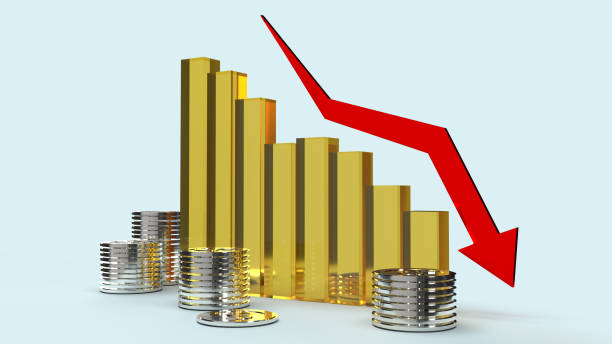
Gold and silver prices experienced a massive sell‑off this week, wiping out gains after a furious rally. Prices tumbled across global markets, shocking investors and traders alike. Analysts point to several key factors driving the sharp decline in precious metals.
Record Sell‑Off After Recent Rally
Gold fell as much as 11 % in one session, marking its steepest drop since 2013. At the same time, silver crashed over 15–27 %, recording one of its worst single‑day declines in more than a decade. Both metals reversed recent record highs with extreme volatility.
Investors who packed bullion markets during the recent rally were hit hard as the downturn unfolded. Morgan markets, exchange‑traded funds (ETFs), and futures contracts all reflected heavy selling pressure. Several silver‑linked ETFs fell more than 20 % on a single trading day.
Why Prices Collapsed
Experts point to a mix of profit‑taking, dollar strength, and policy shifts as the main reasons for the crash:
Profit‑booking after a strong rally: Precious metals soared to record levels in the weeks leading up to the crash. Traders then booked profits, triggering a rapid sell‑off.
Stronger U.S. dollar: A rising dollar weighed on demand for non‑yielding assets such as gold and silver. When the dollar strengthens, bullion often loses appeal for global buyers.
Interest rate expectations: Investors now expect tighter monetary policy ahead, particularly after major central bank moves. Higher rates make interest‑bearing assets relatively more attractive than precious metals.
These factors combined to create one of the sharpest pullbacks in bullion markets in years.
What This Means for Markets
The crash in gold and silver highlights how quickly sentiment can shift in financial markets. Investors who entered the bullion trade during the rally now face steep losses. Meanwhile, analysts warn that metals could remain volatile as central bank policy and currency movements evolve.
At the same time, some traders see the drop as a buying opportunity, especially if inflation concerns or global uncertainty return later in the year. However, most agree that metals will remain sensitive to macroeconomic data and currency trends.
Broader Impact on Portfolios
Precious metals often act as a hedge against inflation and market risk. Therefore, dramatic price swings can affect risk management strategies. Institutional investors, commodity funds, and retail holders may rebalance portfolios to mitigate further downside.
Nevertheless, broad market volatility — including in equities and currencies — could keep bullion prices unstable in the near term.
Disclaimer
This article is for informational purposes only and does not constitute financial or investment advice. Precious metals and commodities markets can be highly volatile. Readers should conduct their own research and consult a qualified financial advisor before making investment decisions. The author and publisher are not responsible for any financial loss incurred based on this article.

